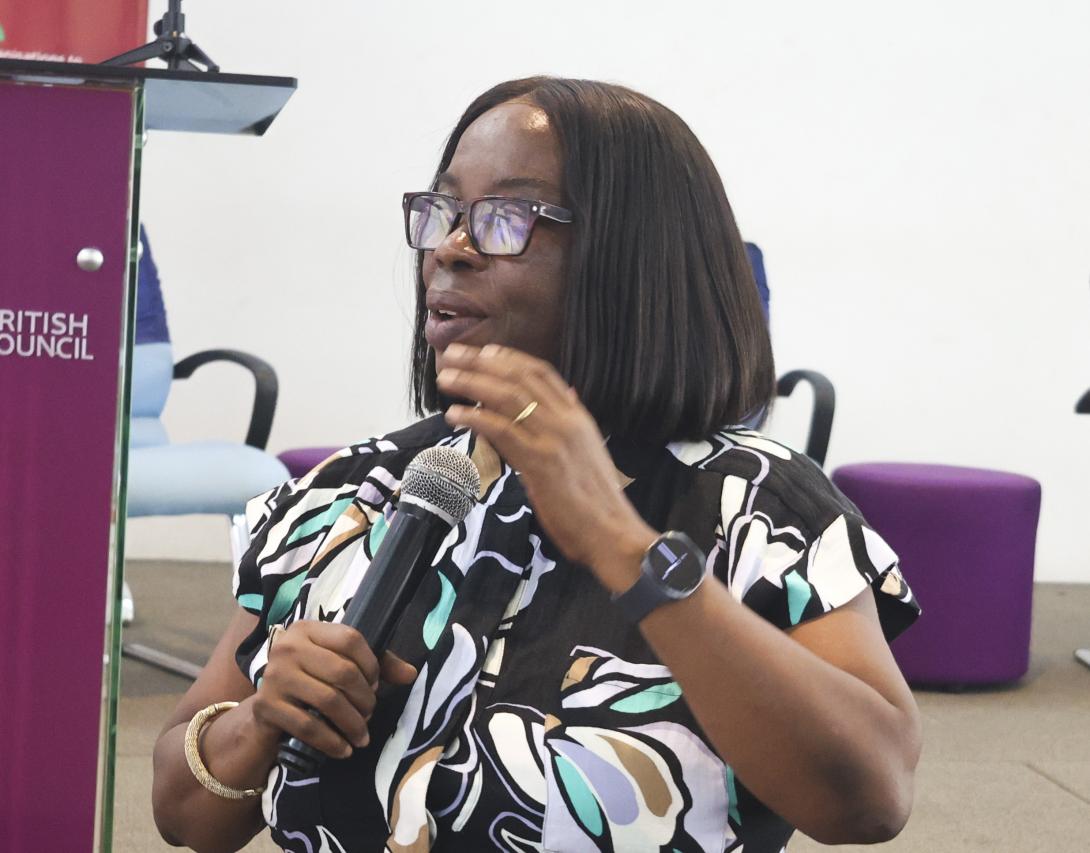
The Network for Women’s Rights in Ghana (NETRIGHT) has urged the Ministry of Finance to make the 2027-2030 Budget Statement and Economic Policy gender-responsive, warning that revenue mobilisation and economic reforms must not deepen inequalities or place disproportionate burdens on vulnerable groups.
Speaking during a citizens’ engagement on promoting inclusive and gender-responsive budgeting, the Head of Secretariat of NETRIGHT, Ms Patricia B. Akakpo, said fiscal policy should place women, children, persons with disabilities and other vulnerable groups at the centre of economic planning.
She said the next budget should move beyond broad commitments by introducing measurable gender-sensitive fiscal objectives, indicators and reporting mechanisms to enable citizens to determine whether allocations actually reached intended beneficiaries across sectors and target groups equitably.
On taxation, Ms Akakpo called for progressive and inclusive reforms, including stronger taxation of non-resident entities earning income in Ghana, tighter exemptions and benefit assessments to ensure that tax incentives delivered clear public value to citizens.
She also urged the government to review customs, trade and investment policies through a gender lens to ensure that women benefited from export opportunities, access to finance, productive inputs, land, technology and markets, particularly in non-traditional sectors and value chains.
Turning to the care economy, Ms Akakpo described unpaid care work as a structural barrier limiting women’s participation in education, paid employment and leisure.
She called for care to be recognised as infrastructure underpinning economic transformation and proposed a national care policy with a funded implementation framework, cross-sector coordination, joint planning and accountability.
She further advocated increased investment in childcare, eldercare and disability services, particularly for children below school-entry age and their families.
NETRIGHT also recommended integrating care support into social protection programmes, including cash transfers, to partially compensate unpaid caregivers and connect vulnerable households to essential care services.
Professionalising care work was another priority, with NETRIGHT advocating training, certification and regulation for care workers to improve service quality, create decent jobs and recognise care work as an economic activity rather than a private responsibility.
In agriculture, the organisation called for gender-responsive financing, land access, inputs, irrigation, storage, processing and market support, noting that women farmers continued to face systemic barriers that reduced their productivity, incomes and decision-making power within value chains.
It urged the government to set gender-specific targets for agricultural interventions and publish disaggregated data showing who received fertiliser, land, finance, technology and other support, including women, young people and persons with disabilities.
NETRIGHT also proposed stronger links between the school feeding programme and women food producers, arguing that public procurement could support local livelihoods while improving food security, provided allocation and beneficiary selection were transparent and accountable.
Ms Akakpo stressed that tax compliance must be matched by accountability, urging the government to demonstrate how public revenues were being used to finance social services, infrastructure and investments that improved citizens’ lives and reduced inequality nationwide.
The forum forms part of NETRIGHT’s project on, “Influencing for Change: Integrating Women’s Voice in Inclusive Development,’ which is being implemented under the Renewed Women’s Voice and Leadership (RWVL) Initiative in partnership with Plan International Ghana and with funding support from Global Affairs Canada.
BY NELLY QUARCOOPOME
Source: Ghanaian Times